
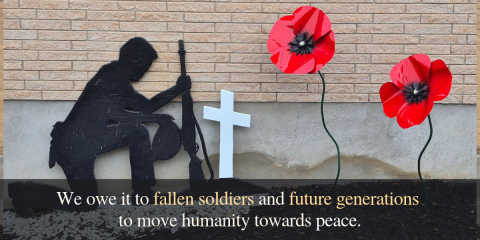
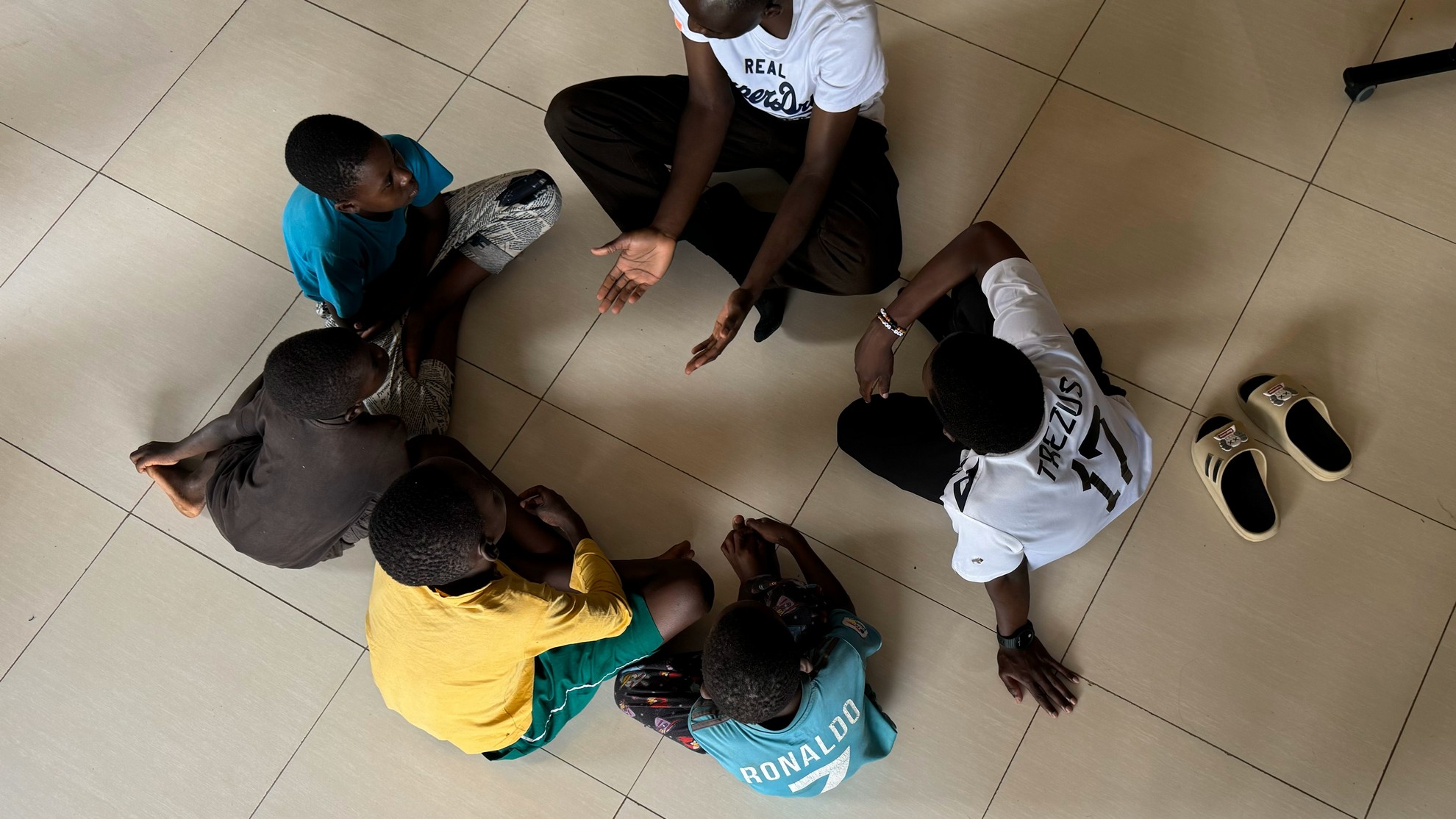
Is peace education enough?
But is that enough? Lately I have been wondering how to raise my voice more loudly in the global cry for peace – a cry that influences leaders to choose diplomacy instead of war. That may seem idealistic, but according to researchers Erica Chenoweth and Maria Stephan, it only takes 3.5% of the population – not 35%, or 80% – to peacefully transform ideas into realities. And there’s more – nonviolent action is more than twice as likely to work than violence (see Why Civil Resistance Works). It’s powerful enough to win India’s independence from Great Britain at the height of colonialism, civil rights for African Americans at the height of Jim Crow, and Estonia’s independence from the Soviet Union at the end of the Cold War. It works, at international scale.
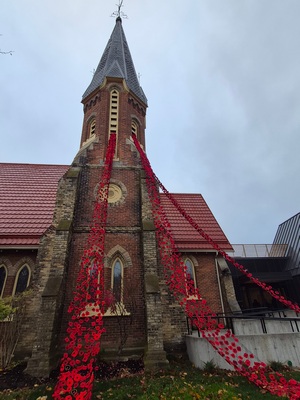
What future will we choose?
In Canada and beyond, we are at a critical juncture. Canada's next budget doubles military and defense industry spending to 4% of GDP. Is that the best way to increase national security? With an aggressive neighbour to the south, especially until last week’s midterm US elections, this strategy seemed prudent, even to people who love peace. Thankfully, things are changing south of the border, and Americans are raising their voices (and votes) for peace. More importantly, however, when we ask whether increased global militarization increases global security, the answer is “no.”*
The stakes have never been higher. With nuclear war a real possibility, one nuclear bomb could not only annihilate millions of people in an instant, it would poison the earth for generations. Even if the megatons of bombs we produce are not used, their creation destroys the environment. Military budgets divert billions (and trillions) of dollars from education, healthcare, and other essential priorities. The UN estimates that it would cost less than 1% of the last decade of military spending to end world hunger by 2030. Isn’t 1% for food security a better security investment than 100% for armaments? Isn’t the moral imperative, and our vision of the future, to improve human flourishing rather than destroy it? Human survival requires that we change our focus from war to peace.
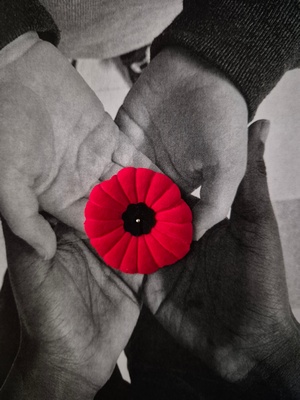
Peace Education for Us
I can imagine you responding, “Yes, but….”
- Is ending war even possible?
- Doesn’t reducing our defense capability let bad actors impose their will on others?
Those are fair questions, and they merit serious answers, because the consequences are literally life and death. If we don’t come up with peaceful answers soon, we will face human suffering on a scale not seen in any of the world’s past wars. Would you like to explore those questions, and more, with me? World Beyond War and Rotary International created a free, 6-hour online course called “Ending War 101.” I started it last week, and it's encouraging. It proposes that not only is ending war possible, but that we have a wealth of global experience and opportunities to do so.
Of course, many serious action groups have been working to end war since the "war to end all wars" over 100 years ago. That's what motivated the formation of the United Nations, which coordinates large-scale efforts to reduce the causes of war, and limit its use and devastating effects. But we have to do more.
To brainstorm how you can raise your voice in the global call for peace, you can share your reflections with me, World Beyond War, your local Rotary club, or another peace-focused group. Let's brainstorm the actions that Ending War 101 inspires, and join networks like Mutually Assured Survival, which is committed to promoting peace. Because research shows that even 3.5% of us can make a meaningful difference.
- Log in to post comments